Category Archives: Fall gardening

Finishing up the regular season-compost bin

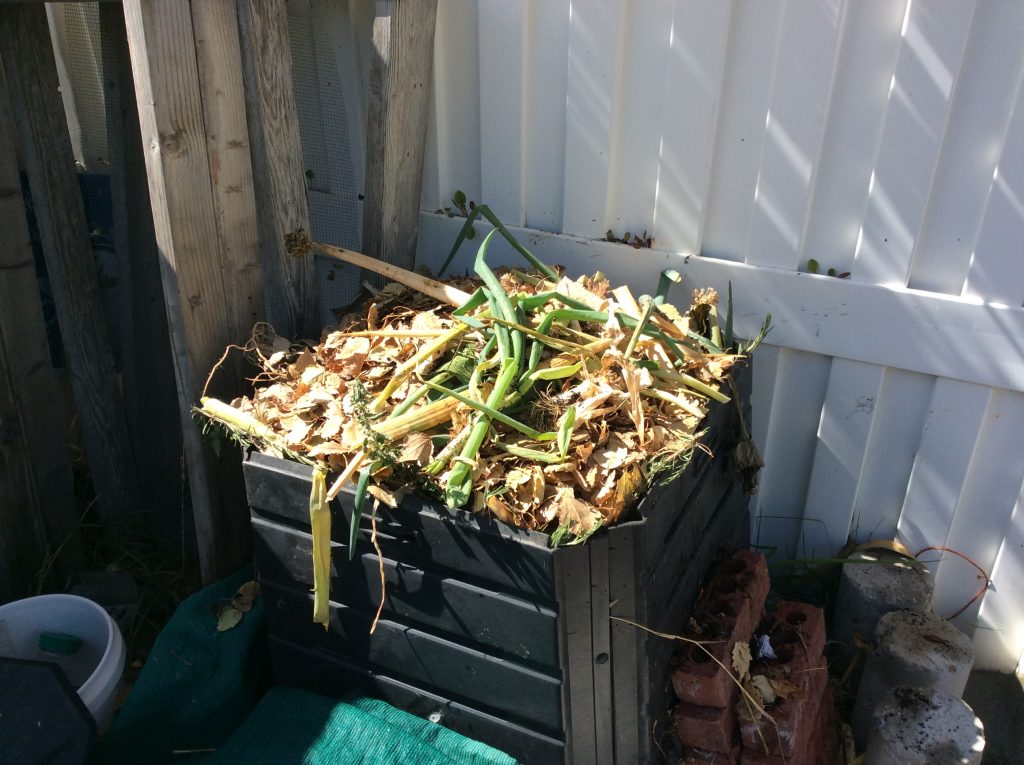
This is a picture of my fully packed in compost bin on October 10th. I’ve got about 6-7 weeks of time before the weather gets really cold. I’ll work this bin every day, mixing it, mashing the ingredients, keeping it moist, and continually moving it. My thought is to get one more batch of compost before the bad weather gets here. As of the time of this post, I’ve lost almost half of the original mass. Free ingredients make up this compost bin. And if it seems a little too moist, or if I can smell something that I can identify, I’ll add leaves to balance things out.

Compost bin should smell earthy after a couple of weeks. Done correctly, you can produce an excellent quality of compost in as little as 6 weeks. The benefits of making your own compost can be seen here. While some experts will say you need 18-24 months to make a quality compost, that is true only if you don’t work you compost. If you do nothing and just let the contents sit, you’ll certainly get compost in this time frame. But by working it every day, you can speed up the process substantially.

Quick tip: this is the time to gather and save your leaves? You don’t have to rake them up and send them to the dump. Save and cover them for use in next year garden. It makes an excellent mulch and also a great compost ingredient to add-in to balance the green or kitchen items you’re using. Click here to learn more about composting leaves. My experience is that you don’t really need to shred them. If you feel like you want to and don’t have a shredder, use your lawnmower. [ois skin=”1″]
Lemon balm in your square foot garden

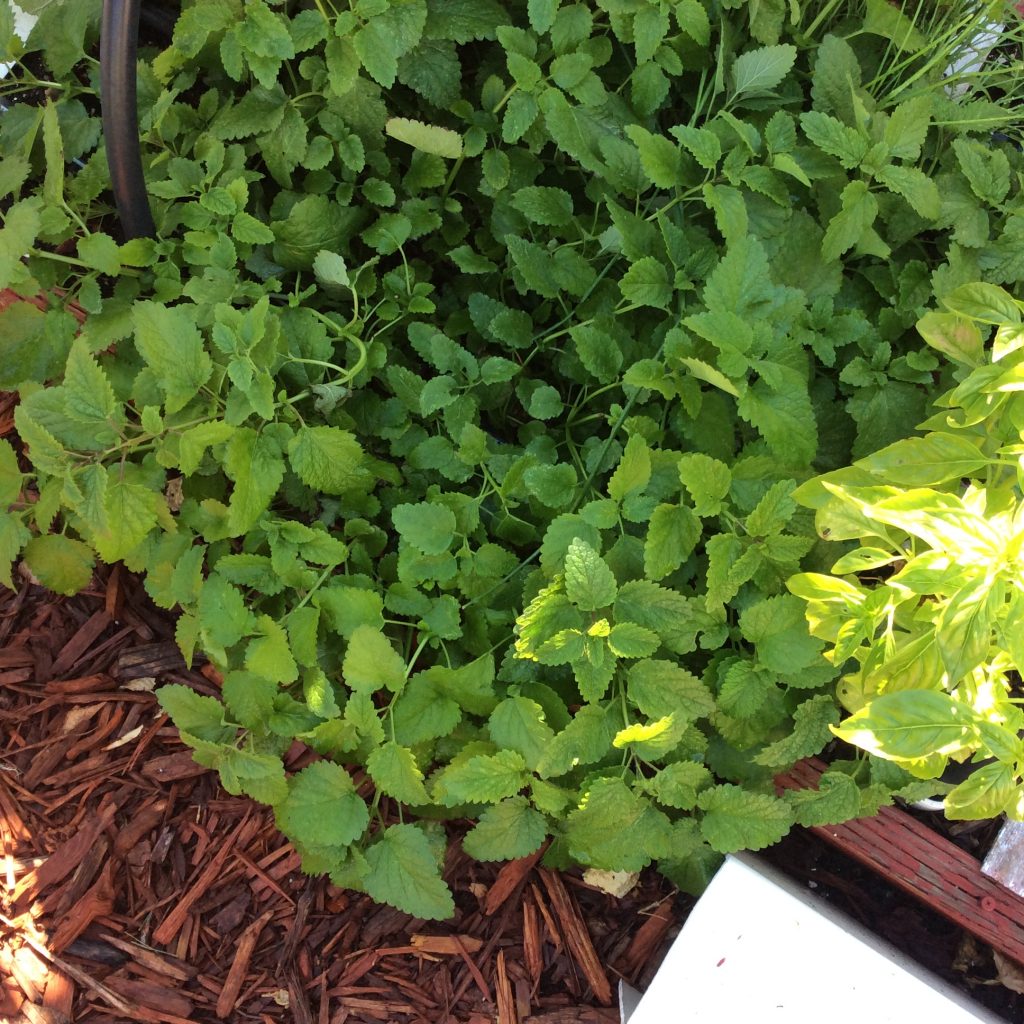
lemon-balmI thought it might be nice to report on something I did for the first time this past season. Where I live the water tastes particularly bad in the summer. I find myself adding slices of lemon for glasses of water to hide the chlorine taste coming out of the tap. I wondered if adding a few leaves of lemon balm would do the trick.

It did. And I made some delicious lemonade with it as well. As I did some reading, I found that this fun herb can be used for all sorts of things ranging from what I had done to making tinctures for folks who have a hard time sleeping to adding it to smoothies and more. It does spread so if you’re planning on growing this in your square foot garden plan on it taking up an entire square. And even then I had to trim it back by seasons end. I included this in my delivery baskets for 6 weeks and they all wanted more!

This was a solid performer with a large yield! One plant was enough to provide 3-4 people with several sprigs for 6 weeks. Trim it back at the end of the season and it will regrow the next spring. Its a nice lush, green, and bushy plant that I think you’ll enjoy[ois skin=”3″]

Prepare now for a successful 2017 gardening season

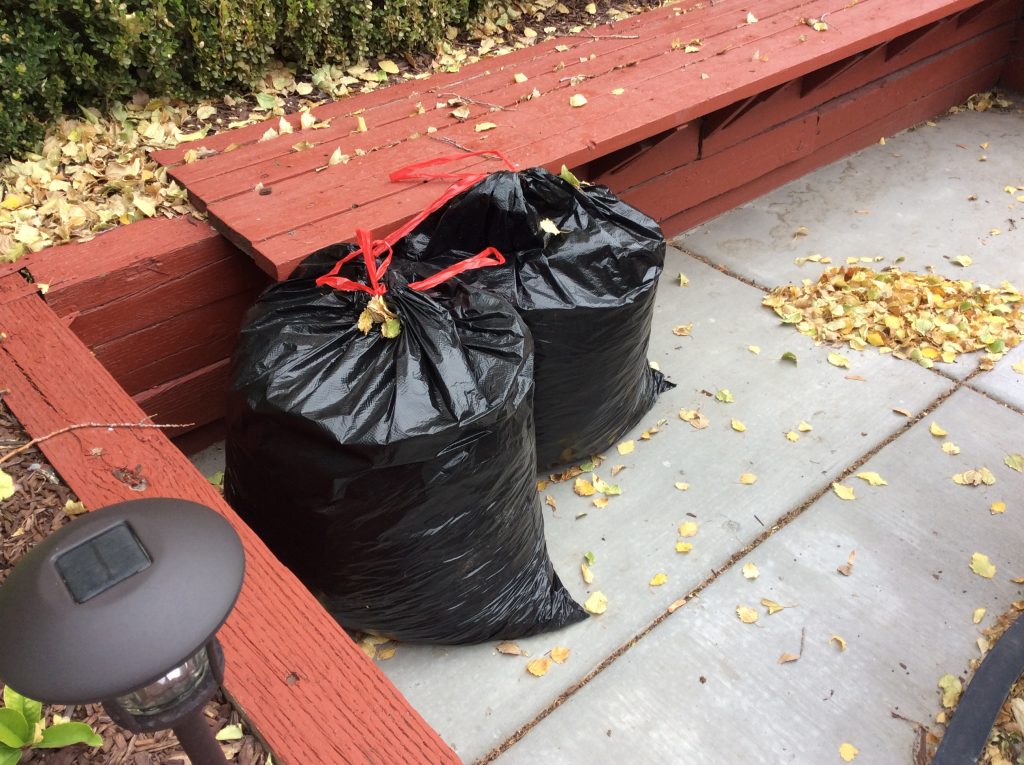
img_0434As the actual work finishes up for me in late fall, I’ve always used this time to prepare for the next growing season. It’s an easy process and will reap huge dividends next spring.  

I like to gather as many bags of leaves from my property as I can. I’ll end up with 10-12 bags by the time I’m done raking, which is perfect for my gardening needs. The majority are use in the composting process as a great brown material, but some will be used as a mulch to keep the soil cooler when growing summer lettuces. Some will be used to amend the existing soil. I keep my bags closed off for the winter storage. I don’t want any moisture getting into the bags because it makes a soggy mess come spring. I end up putting all my bagged leaves under a plastic cover so I don’t have to worry about it. When I need a bag of leaves during the growing season they’re in perfect shape for my uses. They are completely dried out and crumble into pieces very easily.

In each of my square foot garden boxes I will push over about 3 inches of soil. I then spread a layer of fall leaves over the entire surface, and then cover up the leaves with the soil I originally moved over. By the time spring arrives you’ll usually find no leaves at all when you dig down. The reason? Earthworms. You end up adding a great ingredient to your soil that will set you up for success next year.

Years ago, when I didn’t have any trees or leaves produced on my property, I ended up asking the neighbors for theirs. They always said yes. There’s always a way to get free leaves if you can’t produce enough from your property.     &nbsp[ois skin=”3″]

Finished compost

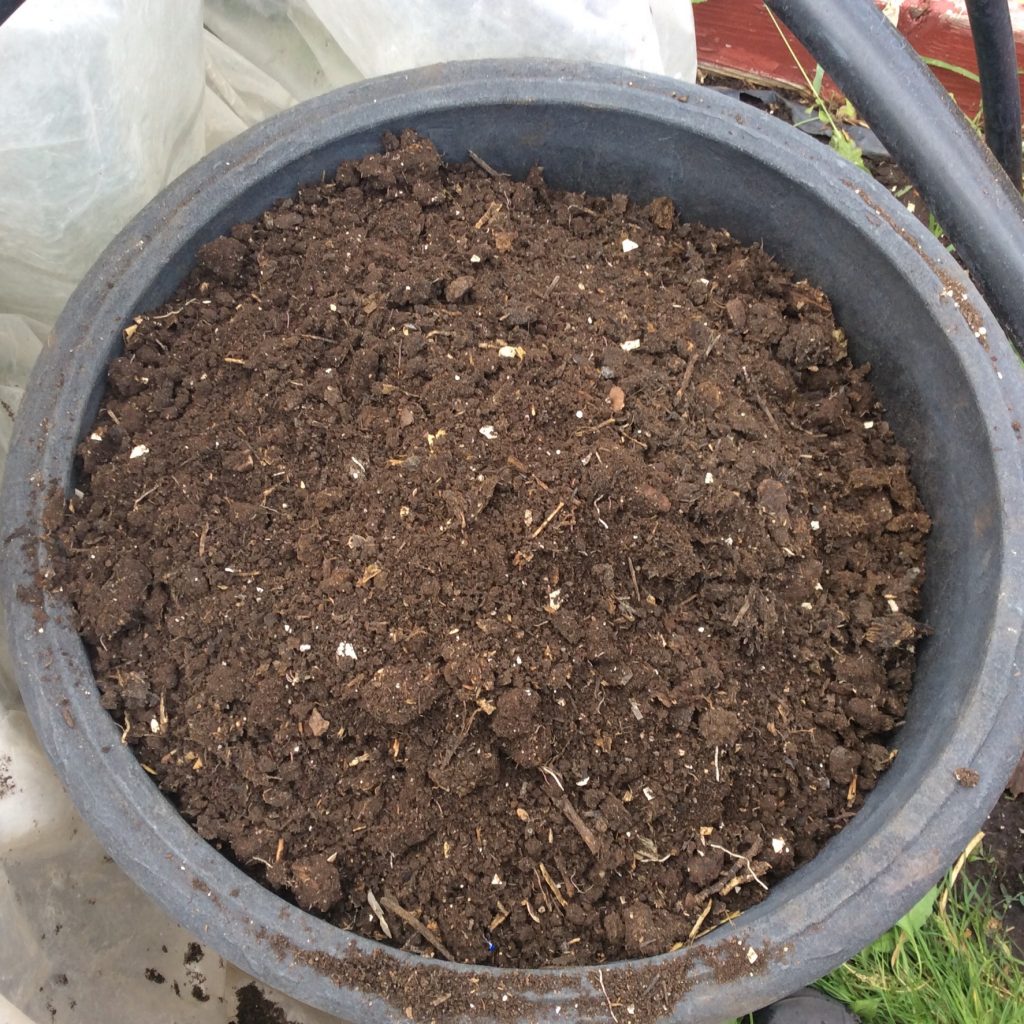
finished-compost-092816I’m almost done making compost for the year. There’s one more unit that should be done in the next 3-4 weeks which will easily leave me with enough compost for winter and next spring.

When you learn how to make your own compost with free material coming out of your kitchen and yard you’ll realize that you can’t buy it as good as you can make it. Its an easy process and when done correctly only takes 6 weeks to produce. You have to work it every day, but the end result is excellent.

The time to make and complete a batch of compost is quickly coming to an end for the year in our zone. In a matter of weeks the first frost and cold weather arrives. For me, this marks the time when I no longer will add any water to the compost bin, and I’ll use the winter months to do nothing but collect greens. In fact, when I fill my other bin with greens, shrub clippings, and leaves, I wont add any water at all.

Here’s something you can do right now. Bag, collect, and keep your leaves! As many as you can! This is used for a brown ingredient, which is difficult to find in the quantities you need when spring gets here. We usually have no problem collecting the greens, but brown material is the challenge. Make sure you cover them up. Don’t let moisture get into the small opening. It will mat things down and make a big mess.

By doing this you’ll be set up to have success next spring. You won’t have to go hunting around for brown material because you’ll already have it.[ois skin=”3″]

Harvest time

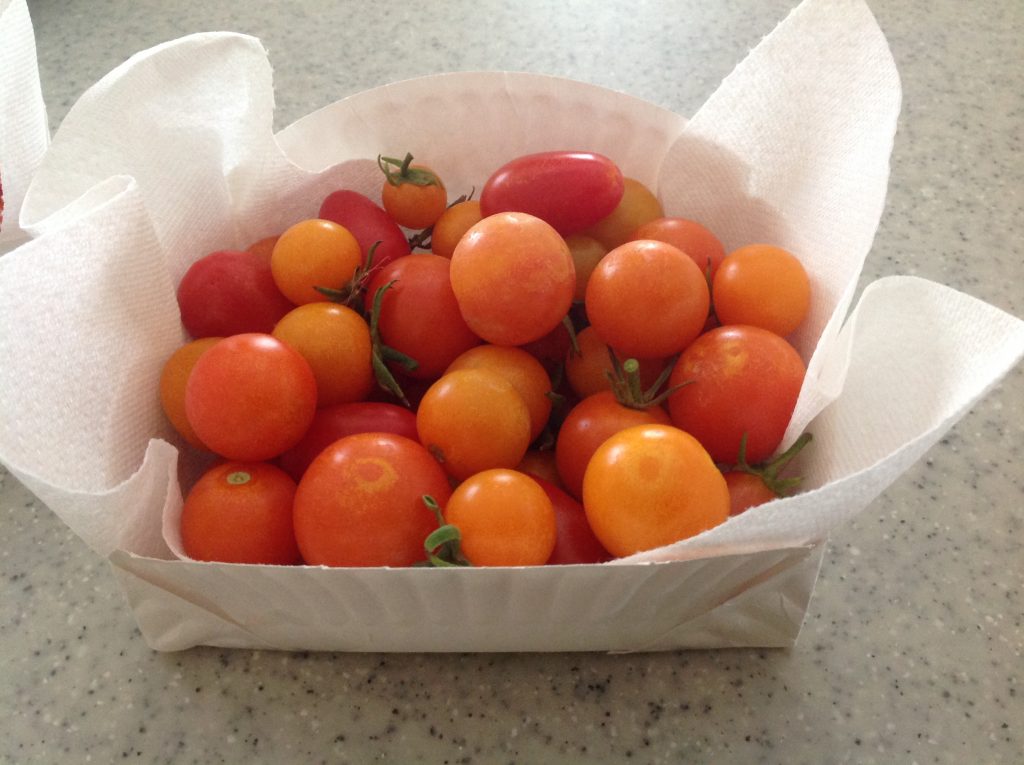
img_0340If you’re anything like me your cherry tomatoes have been coming up very heavily right now. It’s the time of season where you really don’t do much work-mostly harvesting. The exception to that is if you’re planning to have a winter garden. I’ll be posting next week to mention what I’ve been preparing in my winter gardens. There are some unique advantages to the winter months, and there are even some advantages to living in a very cold climate vs. our friends in warmer climates. In some of these warmer climates you wont be able to grow winter annuals like us northerns. Of course, we can’t get tomatoes year round like they do.

Like previous summers, I’ve grown several different varieties of tomatoes. Three types of the regular looking varieties, a paste tomato, 4 cherry tomatoes, and a grape tomato. All taste different. All are delicious! And if I wonder out to the garden and find some on the ground, I know I’ve waited too long. It’s hard for me to keep up on pulling the ripe ones, but it’s pretty important to get that done. I’ll now begin to preserve my tomato harvest by freezing and using my dehydrator. Maybe I’ll post something about that on a later date [ois skin=”3″]