Category Archives: Composting

Are you composting during the winter months?

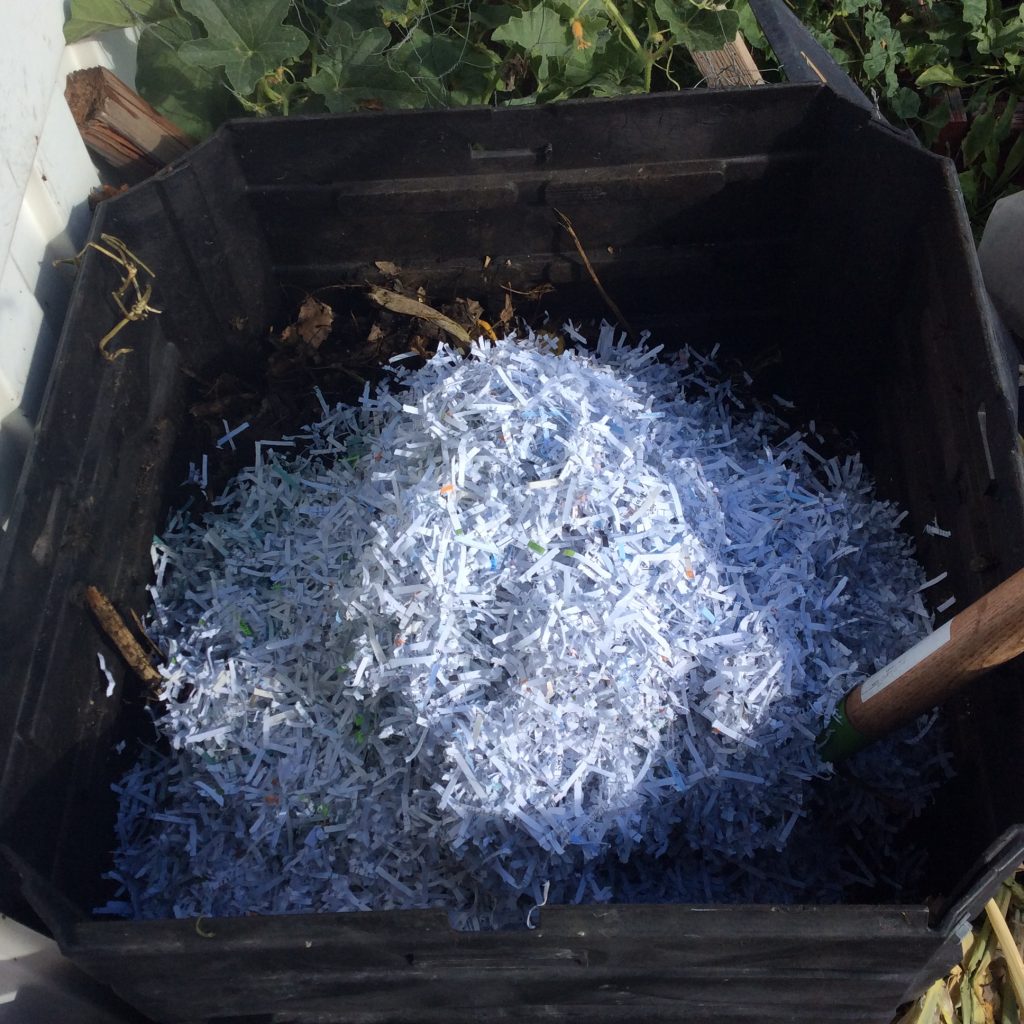
compost-with-shredded-paperThis will probably be my last post of the year about composting.  I spend a lot of time on it because I think it’s important and one of the biggest reasons for the success I’ve had as a square foot gardener.  In the northern parts of the U.S. where winters are harsh it’s still a great idea to use the winter months to collect material to add in the compost unit even though you’re not actively composting.  During the warmer months it’s important to keep your compost damp-like a rung out sponge.  That changes during the winter months.

The goal of the bin at this time is to be ready to make compost as early as possible in the spring.  It’s too late now to make a finished batch of compost.  If you water your compost bins now as you do during the warmer months, the freezing temperatures will turn your bins into ice cubes.  It will take a lot longer to thaw compost piles out come spring when that happens.

I make sure to only add material during winter.  When its time to begin actively working the compost in late February, I don’t have to worry at all about waiting for it to thaw. It’s ready to be turned and aerated.  An important item is to have a nice compost unit to store material.  I’ve had mine for 16 years and I think I bought it for $35.  Its made out of a solid piece of hard plastic.  Its got a nice to for removal and 2 access doors.  I’ve had folks ask me where I got mine and they can be hard to find.  Sure, there are others, but I love mine.  Whatever you do, try to avoid the spinning ones.  I’ve got a strong bias against using those for reasons I can explain later.  I was able to find my exact compost unit through Amazon.  It’s a lot more expensive, but its the right one.  I’ve linked the compost bin on my blog.  I hate to even think about it, but what about a Christmas gift?  These are nice looking units that hold up well and don’t break down.  Give it some thought.

As I removed the top of the bin last week it smelled a little bit like a sewer.  Not that strong, but a little bit. This tells me that its too moist and too much green material. Having used up all my leaves from last fall, I had to find a suitable brown material, which I did in the form of shredded paper.  The pile is now back to a neutral smell.  The senses of sight and smell can really guide you when making compost.

Use this time to gather as much material as you can.  Come spring, you will be glad you did[ois skin=”3″]
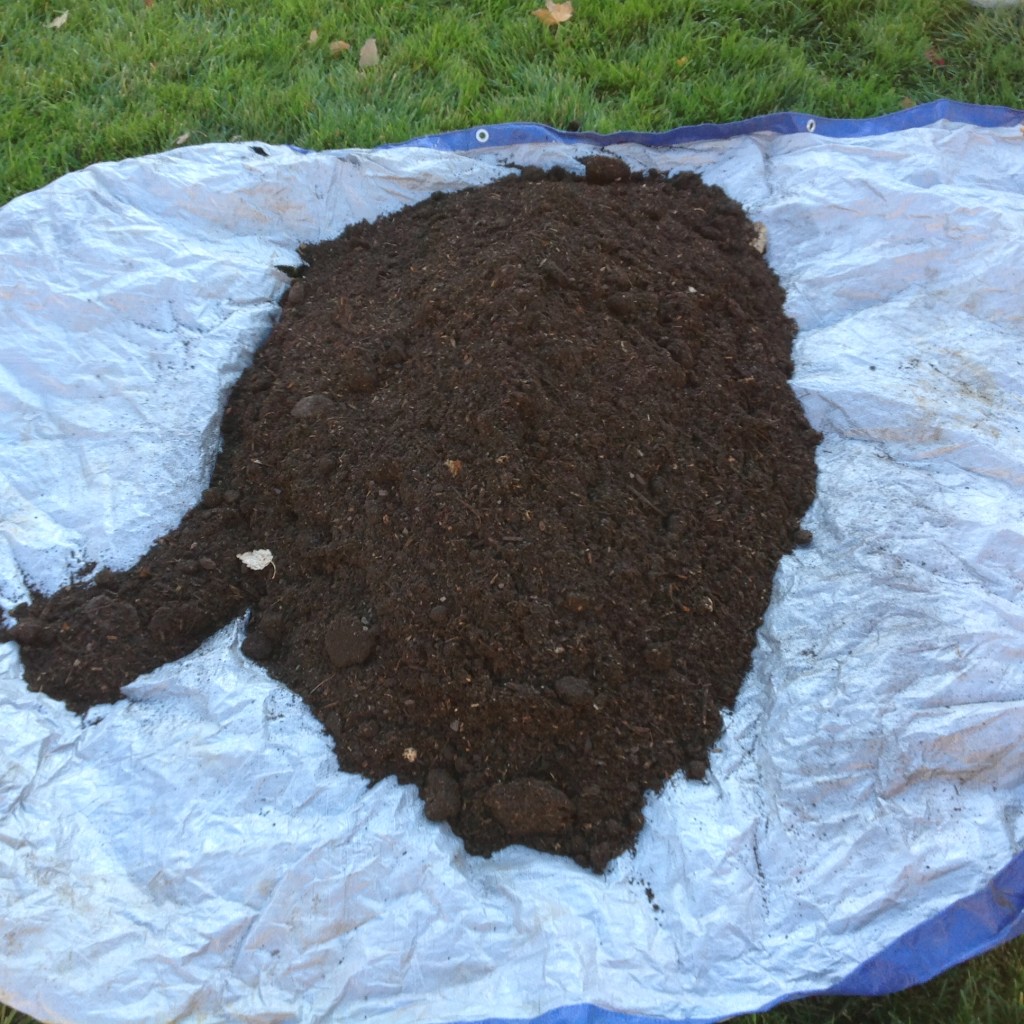
Finished compost

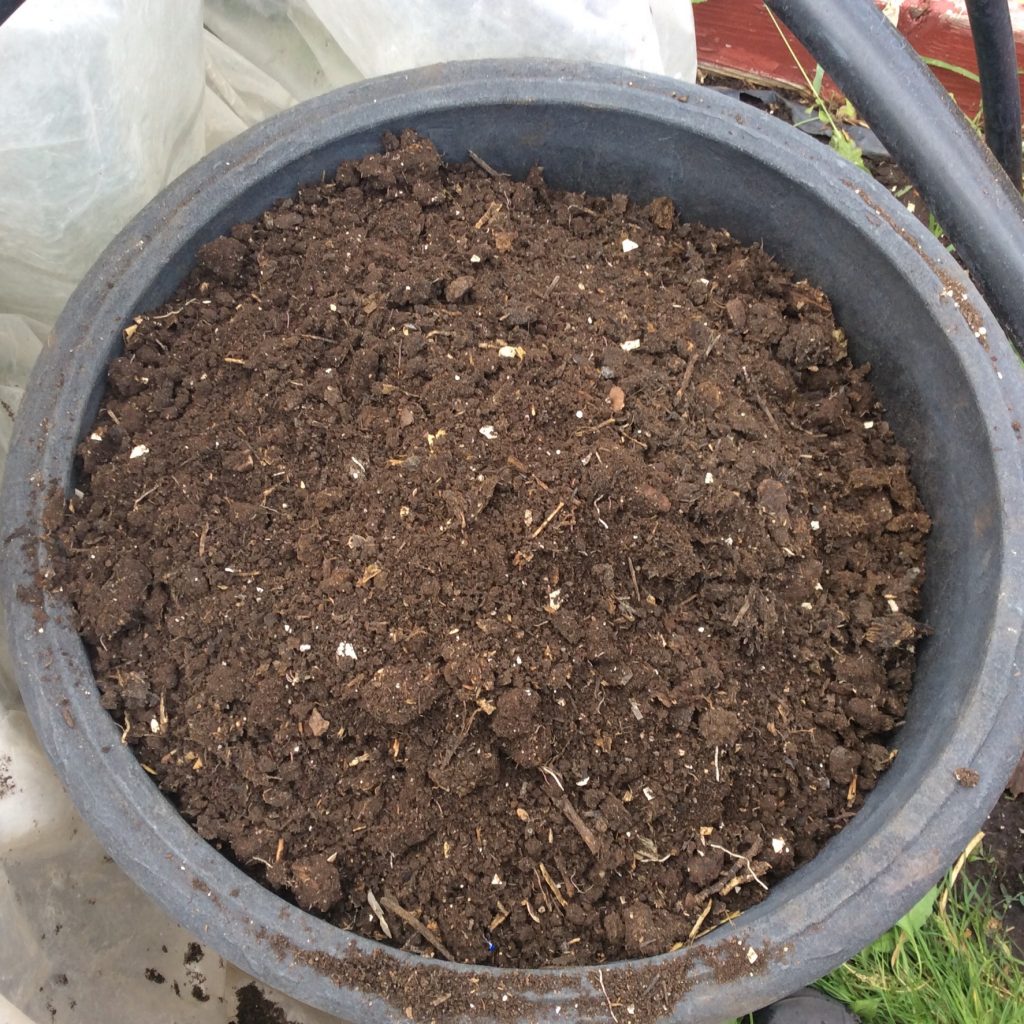
finished-compost-092816I’m almost done making compost for the year. There’s one more unit that should be done in the next 3-4 weeks which will easily leave me with enough compost for winter and next spring.

When you learn how to make your own compost with free material coming out of your kitchen and yard you’ll realize that you can’t buy it as good as you can make it. Its an easy process and when done correctly only takes 6 weeks to produce. You have to work it every day, but the end result is excellent.

The time to make and complete a batch of compost is quickly coming to an end for the year in our zone. In a matter of weeks the first frost and cold weather arrives. For me, this marks the time when I no longer will add any water to the compost bin, and I’ll use the winter months to do nothing but collect greens. In fact, when I fill my other bin with greens, shrub clippings, and leaves, I wont add any water at all.

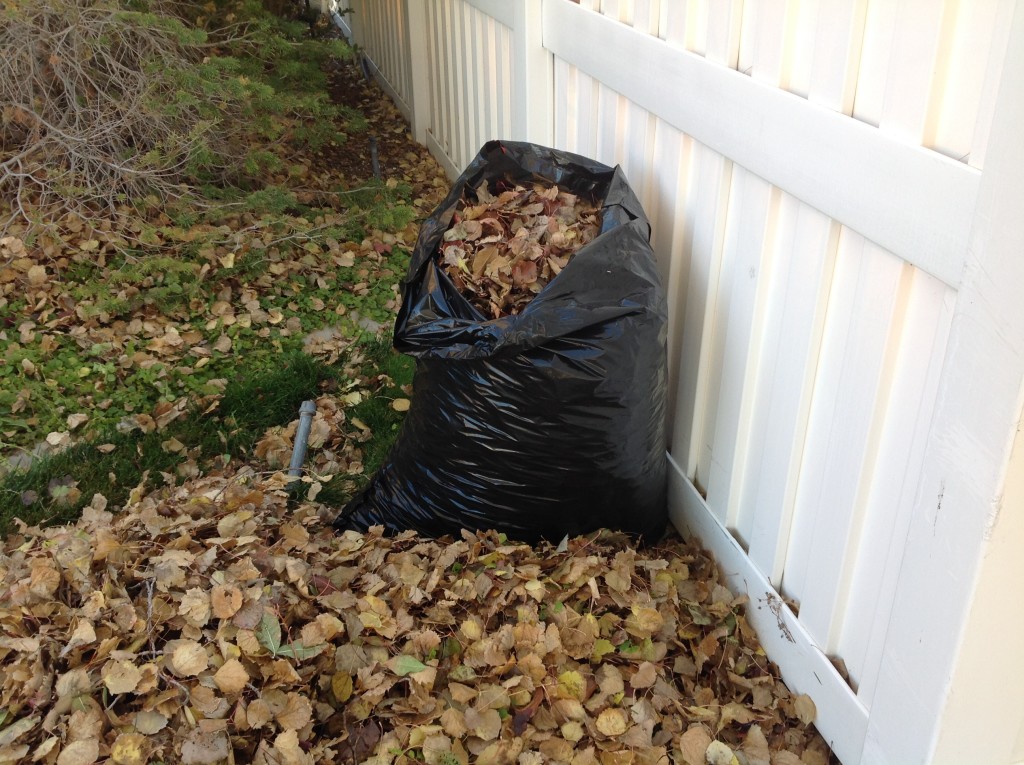
Here’s something you can do right now. Bag, collect, and keep your leaves! As many as you can! This is used for a brown ingredient, which is difficult to find in the quantities you need when spring gets here. We usually have no problem collecting the greens, but brown material is the challenge. Make sure you cover them up. Don’t let moisture get into the small opening. It will mat things down and make a big mess.

By doing this you’ll be set up to have success next spring. You won’t have to go hunting around for brown material because you’ll already have it.[ois skin=”3″]

The importance of the soil in the square foot garden

homemade compostWhen all is said and done if you don’t get the soil right nothing else will matter.  The back-breaking work of adding soil amendments every spring is not only time consuming, it’s flat out hard work.  And row gardeners do it every year, sometimes more than once.  Taking a sample of your current soil and getting it tested will give you some insights of what you need to add.  Then its a trip to the nursery store to spend money on soil additives that may or may not make a difference.

One of greatest things about the growing medium of the square foot gardening system is that you don’t need to know anything about soil.  N-P-K is nice to know, but it’s not needed if your going by the book of the SFG system.  And you can mix it together in about 10 minutes time once you have all the ingredients at hand.  

But there’s another reason that the SFG soil is so beneficial which goes beyond the issue being discussed, and that’s what it does to the taste of anything growing in it.  If greens/vegetables grow well in your garden but taste a little bland, it’s probably because of your soil.  The environmental factors of your soil will have a definite effect on the taste of your food.  Folks that are involved with the farm-to-table movement understand that organic practices where growers pay attention to the health and biodiversity of the soil produces the best tasting vegetables.  The health of the soil from which the vegetables are grown imparts a unique quality and flavor that is specific to the growing site or plants’ habitat.  This is the reason why executive chefs develop a close relationship with local organic growers.

After gathering your raised bed materials and putting your boxes together, step #2 is to fill it with the perfect growing medium.  That will be the topic of next weeks post[ois skin=”1″]

Prepping for your spring square foot garden…right now

fall bagged leavesMost of the work in the garden is now finished for the year.  Rain, snow, less sunlight hours, and  freezing temperatures have sent many of us inside until spring.  There might be one final thing you can do to finish cleaning up in preparation for next year.  That chore is collecting as many leaves as you can.  Its a great source of free organic material that comes from your yard.

The leaves from our property give me plenty for my needs to take me through the entire growing season(except for this year.)  You can rake them up or use your lawn mower to make it a little easier.  Once bagged, I like to put them all together and cover them with a layer of plastic.  This prevents any moisture from getting into the opening at the top of the bag and keeps your leaves dry.  By spring, if no moisture has entered the bags, you leaves will become light and brittle.  This makes it even easier to break down in the compost bin.  And, leaves are one of the best brown ingredients that you can have around to mix with your green material.

Some folks, such as myself, simply bag and keep their leaves for next year.  Others will till them into the ground now or next spring,  Either way, be sure to get as many leaves as you can this time of year.

Another excellent way to use your leaves next year is for a mulch.  In particular, it’s my ingredient of choice to help cool the soil around my lettuce during the summer.  It works like a charm.  Here’s a nice article that talks more about the benefits of leaves.[ois skin=”1″]

Lessons learned: compost in my square foot garden

IMG_1761I’ve been able to make compost successfully for 15 years.  It doesn’t matter if you’ve got a square foot garden or a traditional garden, making your own is the best way to do it.  If done correctly, it’s 100% organic, and the best thing is it’s free!  All with material produced from yard clippings, leaves, and uncooked kitchen waste.

While doing an internship with the inventor of the square foot garden in Eden, Utah many years ago, we spent a lot of time making our own compost.  We’d drive around town to pick up horse manure from a nearby farm, some finished compost from a local store, mushroom compost from a nearby neighbor, and maybe a trip to a chicken farm where they manufactured their own compost.  We also had a supply of straw, brown corn stalks and shredded paper to round out the extra material.

We went to work making the compost-alternating green and brown material in layers, mixing it well, and then dampening the mixture with water as we went along.  We didn’t have a fancy compost unit-only free wood pallets for local businesses that were turned vertically to make the containers into a “U” shape.  We’d continued to alternate all ingredients until the pallets were full to the very top.

There are a few simple guidelines to follow that I learned from Mel, which I’ve written about previously.  But one of the biggest things I forgot about was not to use more than 20% of any single ingredient.  That was the source of my challenge this year. I knew something wasn’t right when I wasn’t making compost in my normal 6 weeks.

By mid-summer I didn’t have enough green or brown material because I used so much during the winter and spring season.  I had some but not  near enough to fill up the bin.  And, quantity is one of the things that you need to consider.

So, I went down the street to pick up some free horse manure and I bought a bale of straw.  I had read from an expert that this combination was one of the best to produce a good quality homemade compost.  I started with a layer of straw, then horse manure, and then the small contents I had from my kitchen.  I had no leaves.  I layered to the very top and did all the things I normally do to produce a great compost in 6 weeks.  But nothing was happening.  After 10 weeks I knew something was wrong.

In the meantime I began composting my other bin-this time with my normal ingredients-food waste, dried clippings, spent garden material, shredded paper, manure, and leaves!  Within a 2 week period of time it was easy to see that this pile was breaking down much quicker.  It was heating up, losing volume, and the individual ingredients were getting harder and harder to recognize.

It’s taken a long time to get to the point, but as I thought about the problematic compost pile-I remembered the lesson.  Never add more than 20% of any one thing.  And, leaves,which have been dried, work marvelously in the compost bin-much better than their larger straw counterparts.

As we teach in the square foot gardening system-use the 4 “M’s” to make great compost in as little as 6 weeks..  Mix, mash, moisten, and move [ois skin=”1″]