Author Archives: Jim

About Jim

I'm a certified square foot gardening instructor that enjoys teaching others how to grow their own great, healthy, organic food. I also enjoy cooking, biking, playing my guitar, reading, and card magic.

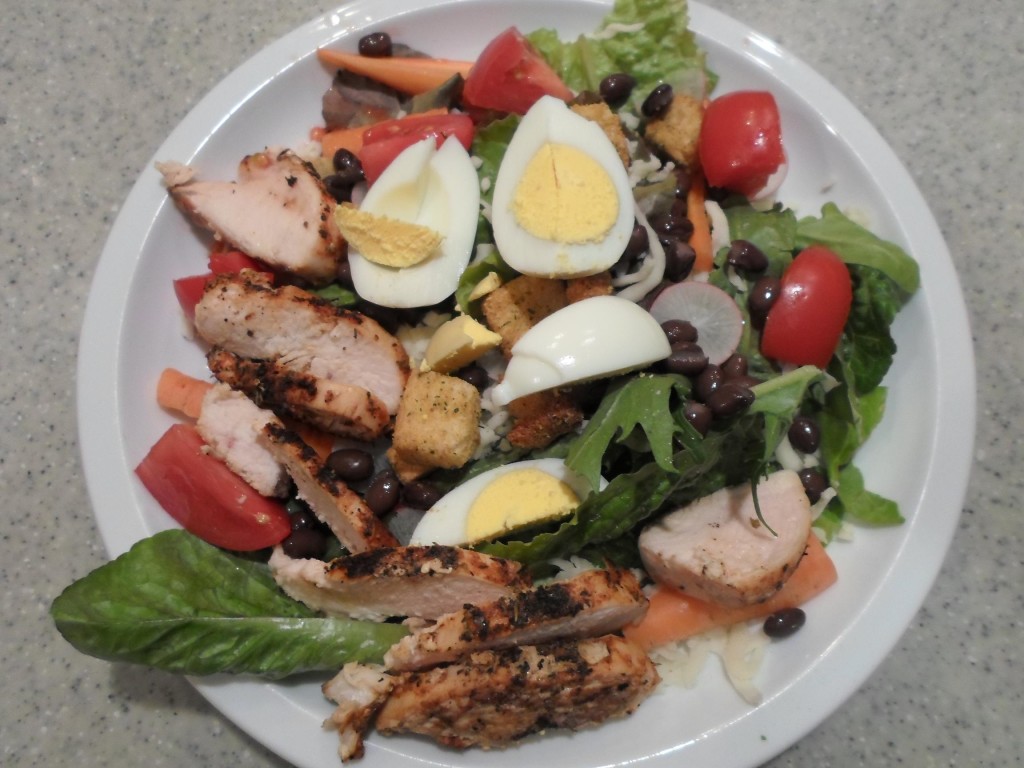
Fall salad

TWE dinner salad 110213When Labor Day weekend hits the state of Utah, it marks the end of the garden season for many of us. Here we are in the first week of November and my garden looks like early spring. Salad greens pulled tonight included a cut-and-come again lettuce, spinach, chard, and mizuna. We added a just ripened tomato, black beans, fresh carrots, and a shunkyo radish, along with croutons, blackened chicken, cheese, hard-boiled eggs, and fresh ground pepper. We will be able to have a different tasting salad every night between now and the end of February. Protecting those gardens in zone 6 with plastic and row covers is the way to do it. I’ll be having a winter garden class in the first week of December. I hope to be able to show everyone in attendance how easy this is to do and become truly self-sufficient.

[ois skin=”below post”]
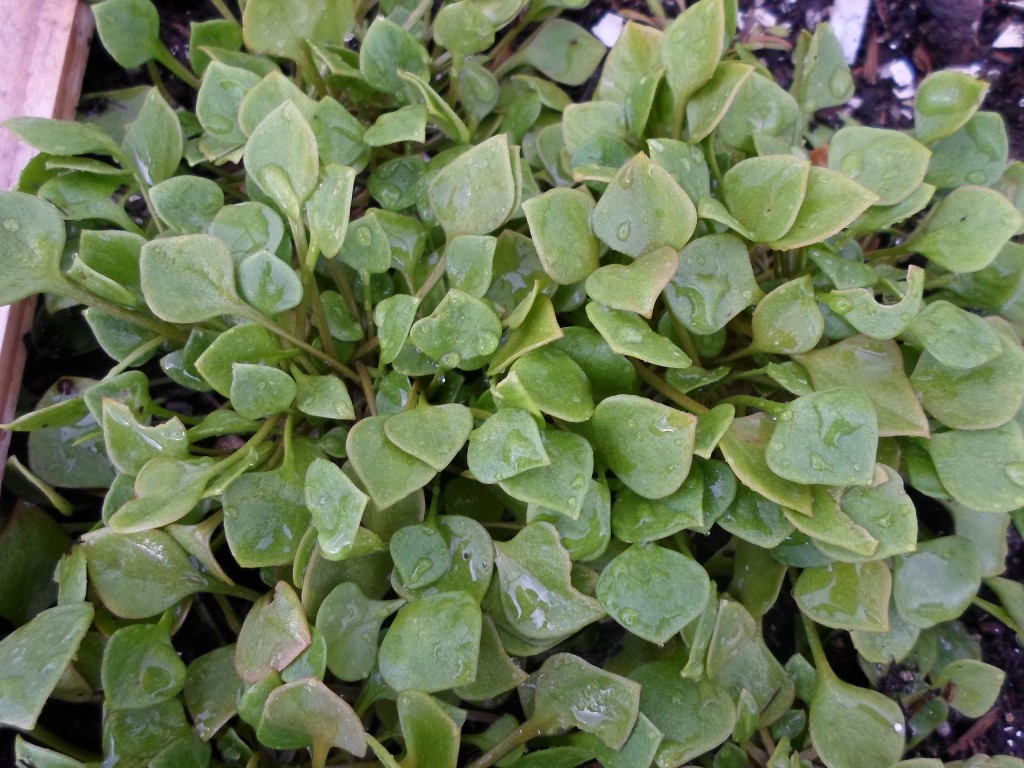
Claytonia

claytonia 110113This is a great tasting gem! Also known as miners lettuce because the early California gold miners ate it on the way out west. I think it’s actually categorized as a weed. It’s amazingly productive and keeps coming back all winter or spring. It goes to seed in warm weather but is a great addition to your winter salad mixes. In the square foot garden you plant 9 of these per square. A little later in the year these start to grow a small, edible white flower. You’re guests will probably never know what this is in your salads as you entertain during the winter months, but they will certainly love it.

[ois skin=”below post”]

Love this

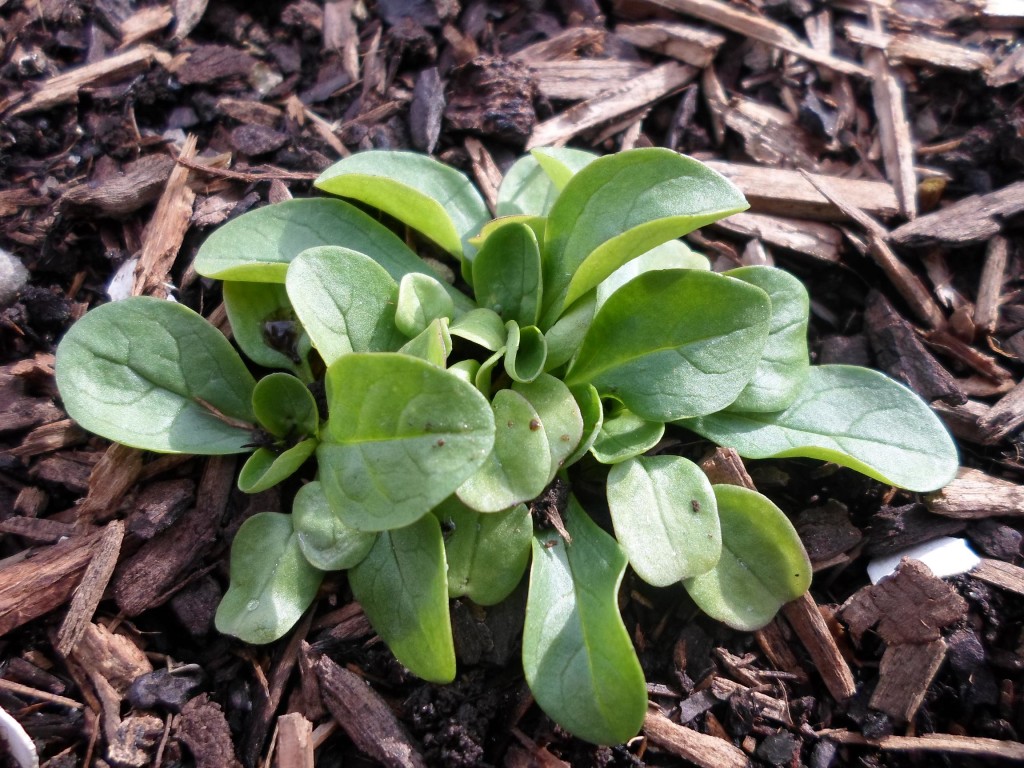
corn salad or mache 102713Another delicious winter crop-Mache, or better known as corn salad in the states, is easy to grow and it comes up quickly. This will be ready to start cutting in about 2 weeks. In Europe it’s harvested as a whole plant and served in fancy salads. If you find it in high end restaurants in America it’s served the same way. But for the home gardener, you can use it as a cut-and-come again crop. This lengthens the availability of mache significantly for home use. It’s got a different taste-almost a nutty flavor, but it’s something that you’ll love for winter and spring salads. You won’t find it in summer salads because it doesn’t grow in warm weather. It’s categorized as a winter annual.

[ois skin=”below post”]

In 148 square feet?

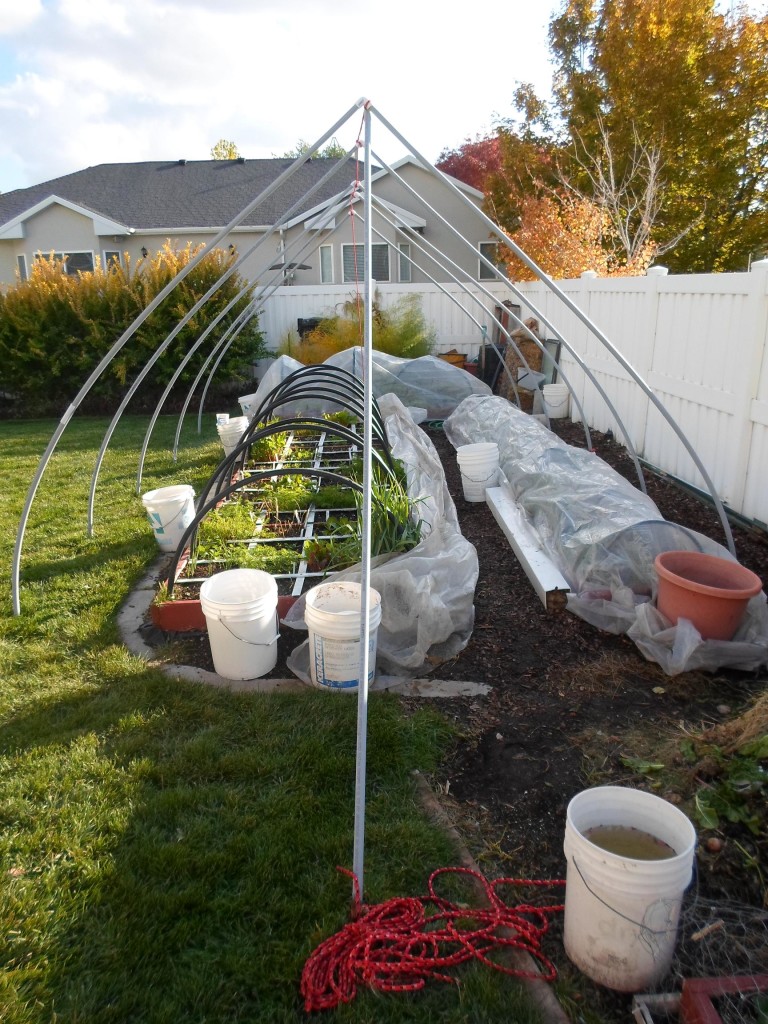
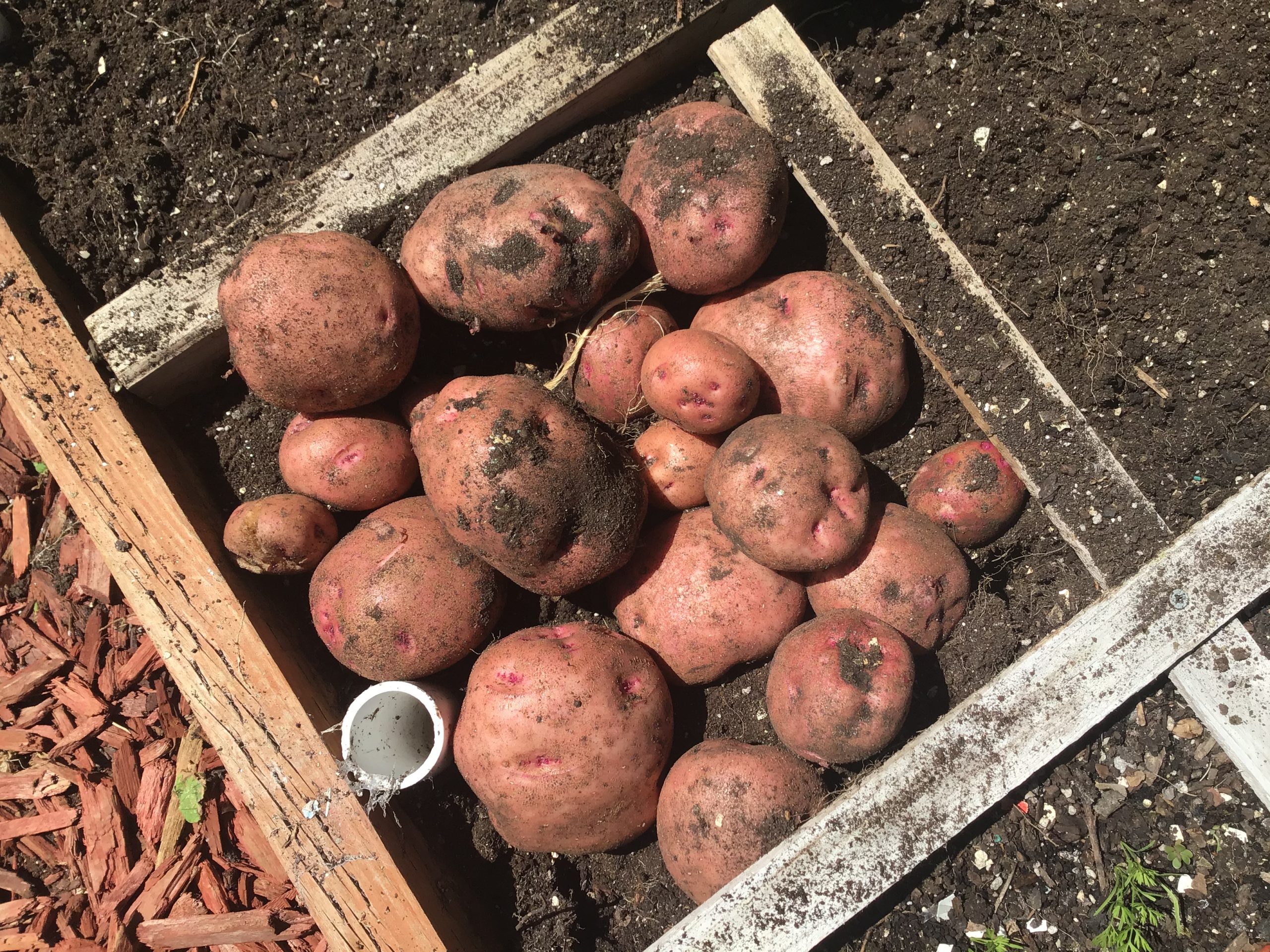
TWE-getting it ready for winter3We’ve had 3 or 4 significant frosts already.  I’m getting ready to cover this structure with greenhouse plastic.  I’ll only then be using a weighted floating row cover to put over the crops.  As we head into winter, this is what’s growing in just 148 square feet of garden space: 20 pounds of potatoes, 108 heads of lettuce, 8 arugula plants, 320 carrots, 117 spinach plants, 36 mizuna plants, 45 claytonia plants, 4 minutina, 24 komatsuna, 27 mache, 80 radishes, 36 beets, 48 turnips, 44 Swissl chard, 9 onions, 36 chives, 16 radicchio, 63 leeks, 2 kale plants, 20 poc choi, 2 parsley plants, 1 rosemary plant, 45 tatsoi, 36 kohlrabi, and 4 plants of cilantro.  We’re ready.

[ois skin=”below post”]

Radicchio

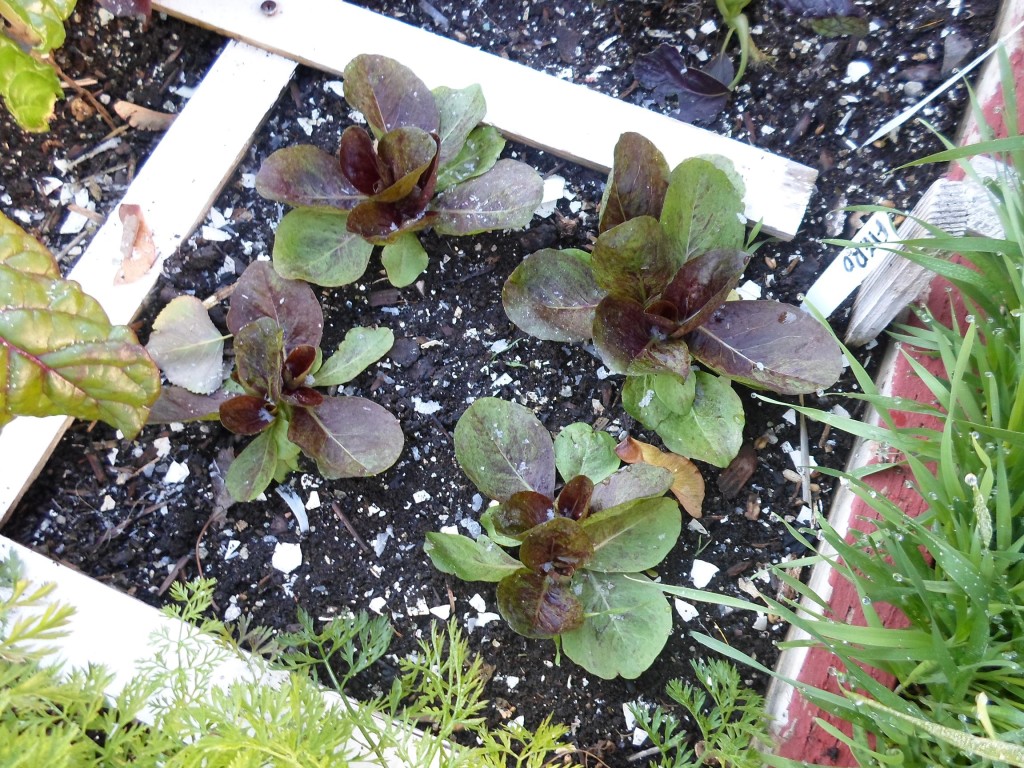
fiero radicchio 101613Everyone is familiar with radicchio-the small, dark maroon pieces found in mesclun salad mixes. Radicchio can be a bit tricky. I grow this particular variety and it’s been a huge hit. The variety is called Fiero-it’s harvested and used as you would romaine lettuce. It’s an open leaf variety and when grown in the right season adds a wonderful taste to salad mixes. Grow it in warm weather and it will turn so bitter that just one leaf will ruin an entire salad. Not only does it taste good, I think the color is amazing. This will be perfect for our winter harvest garden which is starting to really crank up right now with these overnight temperatures in the mid to high 20’s. I had customers clamoring over it this past spring. Give it a try.

[ois skin=”below post”]