Leeks

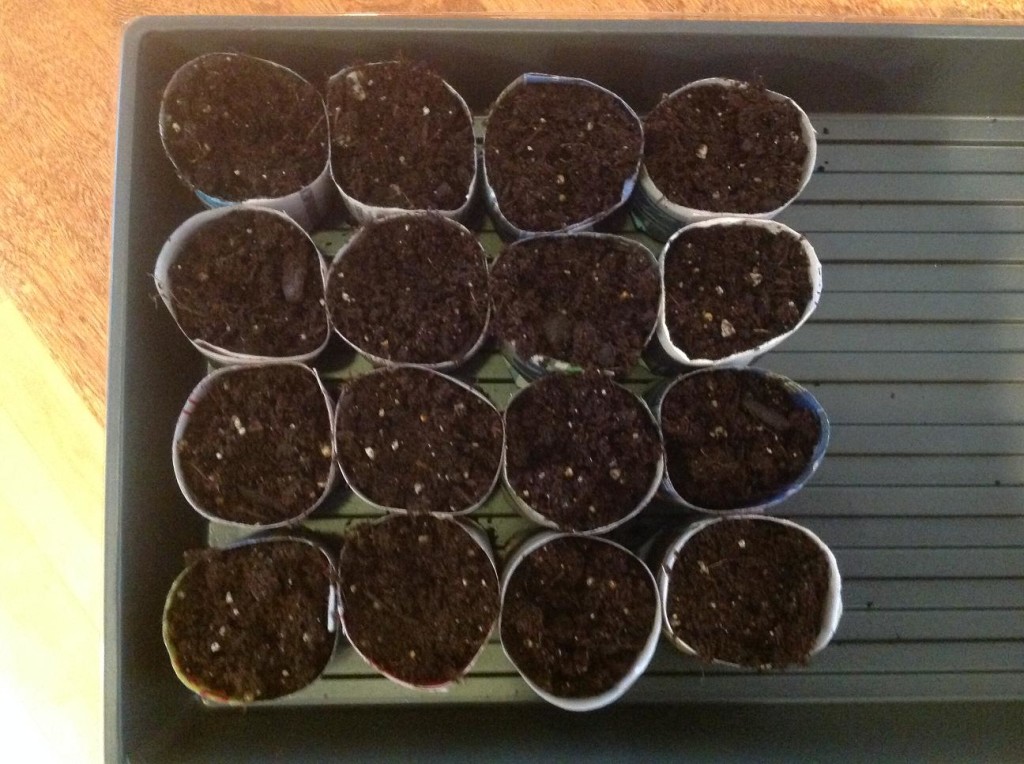
leeks in potmaker-20814I like to take some time and think ahead of what I want to eat and when I want it. Take leeks as an example. I grow three different varieties that mature at different times-one finishes in 90 days, another 110, and the last one in 120 days. You can’t direct seed leeks in February in Utah-they wont make it. When you do direct seed leeks in the garden, you have to “hill” them as they get longer. The reason for this is the most coveted section of the leek-the white shank. If you don’t hill them you’ll end up with just a small section of white. I don’t have time for that so I start them inside and then place them in the garden in small holes that are 8-9 inches deep. In this way we’re able to get a solid section of white that’s just delicious. The variety pictured here is Megaton and it matures in 90 days. That means they’ll be finished by early to mid April-perfect for me and my customers. Think ahead to crops that take a long time to mature and start to plant some of them inside. It’s just a timing thing for me.

[ois skin=”below post”]

The first seedlings emerge

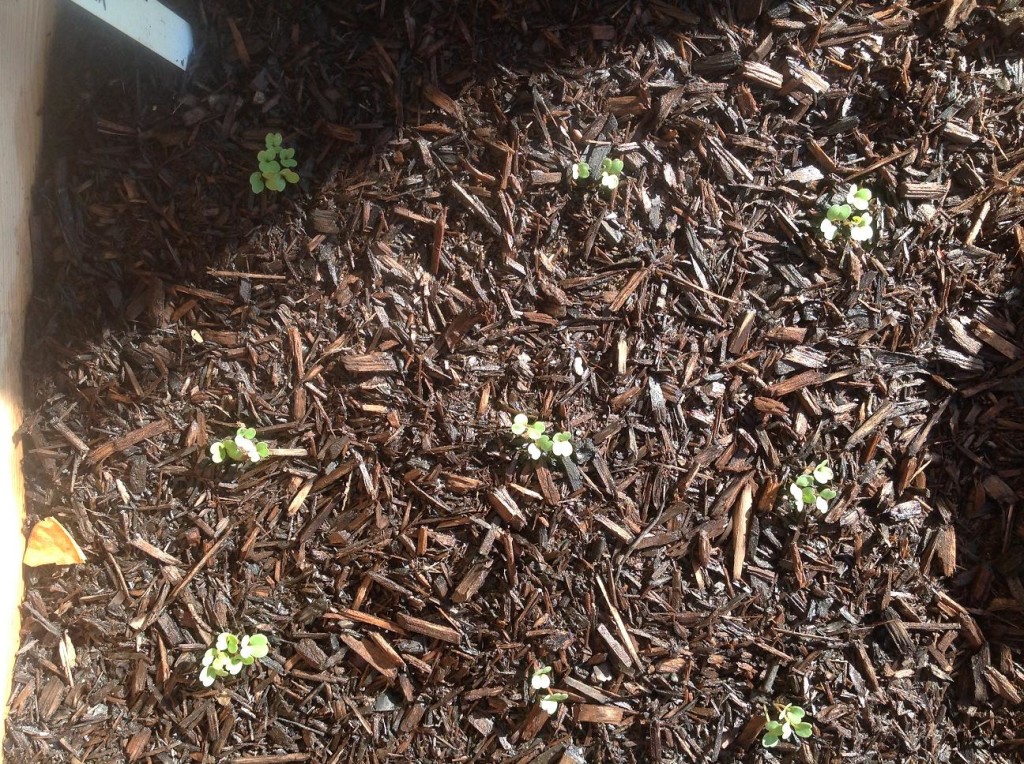
february 2014 arugula cold frameThis plant was direct seeded right in the cold frame 12 days ago. We’ve mostly had night temperatures in the teens for the most part. I really love my new cold frame. But now it’s time for me to prepare and begin direct seeding into the main garden beds. The soil is perfect and ready to go. If you’re not a square foot gardener and would like to experience a garden with no hard work, no heavy digging, no weeding, no thinning, and 100% of the normal harvest, then this is the system for you. The big picture is easy: build a box, fill it with perfect soil, put a grid on it, and then start planting. Right now would be a good time to gather your material for your raised box. It can be anything you like: vinyl(expensive), bricks, railroad ties(not the old style ones), or wood. Whatever you choose only needs to hold 6 inches of soil. That’s it! I have 2X6″ lumber in my garden and they work perfectly. You can make it as long as you want, but it shouldn’t be any wider than 4 feet. Most folks start out making a 4X4′ box, but you can do more if you want. Maybe one-4X8′ box would be a good starting point. Drill your wood together with deck screws and your new SFG box is ready for the next step. Over the next couple of weeks I’ll be posting easy to follow instructions on how to begin your square foot garden. I also hope you’re on the mailing list for my free newsletter. I’ll be diving a little deeper into the concepts of the square foot gardening system and why it works so well with the newsletter. I hope you’ll come along.

[ois skin=”below post”]

2014 beginning

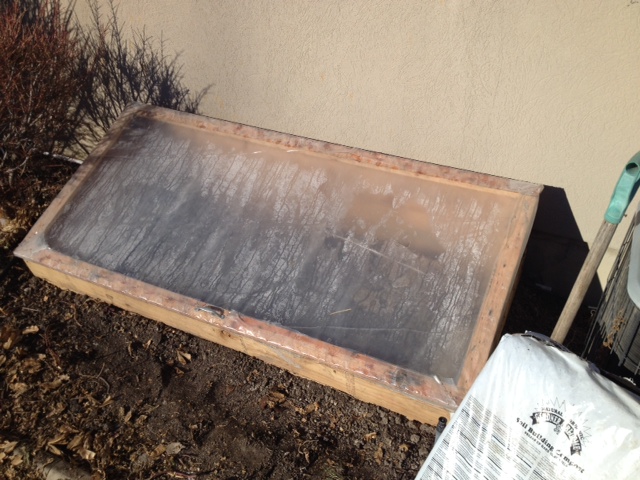
cold frame 2014This week I’ve collected all the seeds I’ll need for an early spring garden. I also built this cold frame out of scrap wood laying around the house. I really didn’t need one, I just wanted one. This will be perfect for use in early spring and winter this year. When I look at the soil inside the cold frame I can still notice a shadow of about 6″ in the front of the bed. This is being cast by the wood in the front of the cold frame and the sun still being a little bit low. I’d say if you want to have success in a cold frame early, make sure that the entire soil area in the cold frame gets 100% sunlight with no shadows. As I’ve watched weather underground I can see that the low’s for evening temperatures are a little below freezing for the remainder of the month. That, along with noticing there will be 10 hours of sunlight on January 30th tells me it’s soon time to start planting. In two weeks I’ll begin direct seeding right into the cold frame and the garden beds. Next week I’ll begin to start a few things indoors-leeks, a few varieties of lettuce, poc choi, and chard. There’s still quite a bit remaining in the garden right now-carrots, potatoes, spinach, arugula, rosemary, parsley, and mache. It’s been a fun winter experimenting with all sorts of different things. Spring season is getting closer.

[ois skin=”below post”]

More winter harvest time

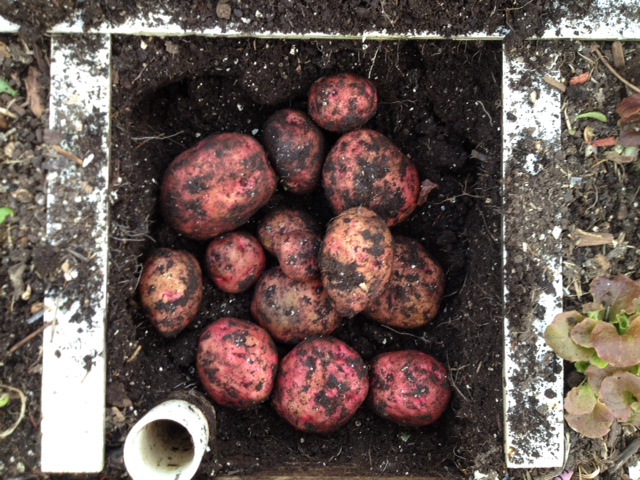
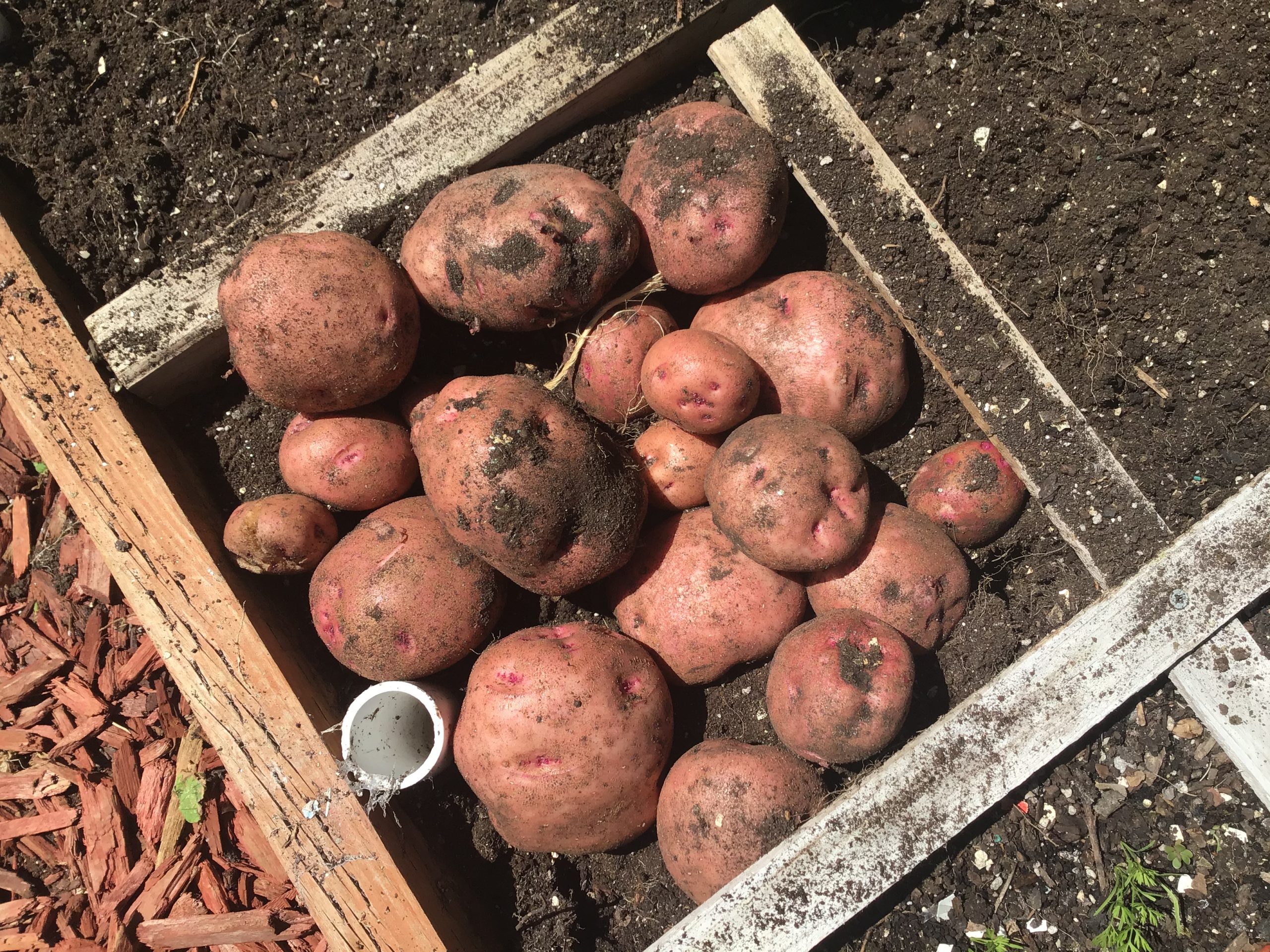
red pontiac potatoes on 123013Today is December 30th and was able to harvest red pontiac potatoes along with some delicious carrots. I’ve already begun to add leaves and finished compost to some of my garden in preparation for an early spring harvest. I don’t have a cold storage in our home. This is the best way for me to do it with things like potatoes. First, dig down into one of your squares about 8 inches. Put your potatoes in the hole. Add leaves you’ve collected this fall, then add your soil back on top. I have a covered hoop house so I’ve been able to not have the ground freeze under the hoops. Then when you want some potatoes, just push over some dirt, dig down, and pull out what you want. There is nothing as great as a potato just pulled out of the ground on on to your dinner table. It’s so much different than what you buy at even the best vegetable aisles! For the square foot gardener, you can count on 6 pounds of potatoes per square. I’ve got about 20 pounds left.

[ois skin=”below post”]

A highlight of the winter garden

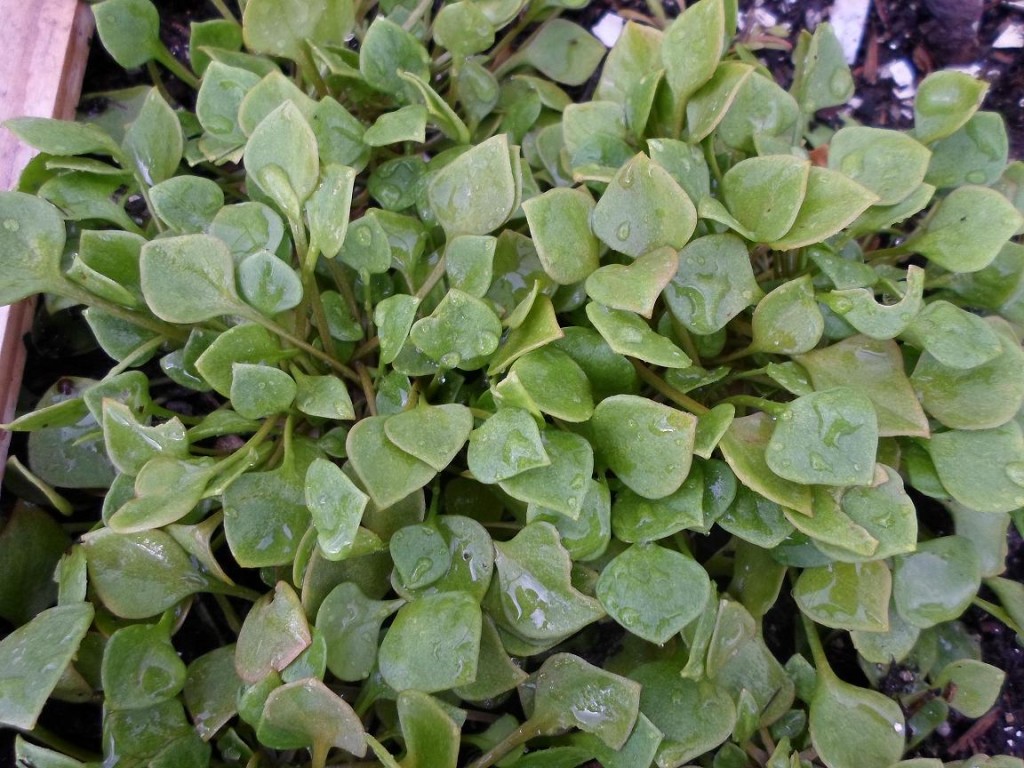
claytonia 110113I’ve had a lot of fun harvesting salad greens this far into December. Combining all the different crops to make dinner salads this year has been a real treat. A snip of this, another of that, etc. has left us bewildered at how great these cold hardy crops really are. At last count I have 24 different crops still growing under the greenhouse. And we’ve had a lot of snow and freezing weather to go along with it. With the exception of some lettuce that I let get to big before harvesting, everything is alive and doing well. After a freeze or two those larger leaves of lettuce just turn to mush. I should have started harvesting these lettuce leaves at the smaller stages. Right now my garden is a refrigerator-keeping our food in a cool climate until we’re ready to eat it. One of the biggest and best tasting of the new cool weather crops is pictured here-claytonia. Also known as miners lettuce, it’s a prolific and heavy crop. We’ve been able to not only add this to the regular mesclun salad mixes that I put together, but I’ve also been able to cut some of it and lay it on top of a fancy chicken dish for a garnish. Nobody knew what it was but they all loved it. They also couldn’t believe that I cut it a few minutes before dinner. If you’ve never tried this, keep it in mind for next fall and winter as it will not grow in the warmer weather.

[ois skin=”below post”]